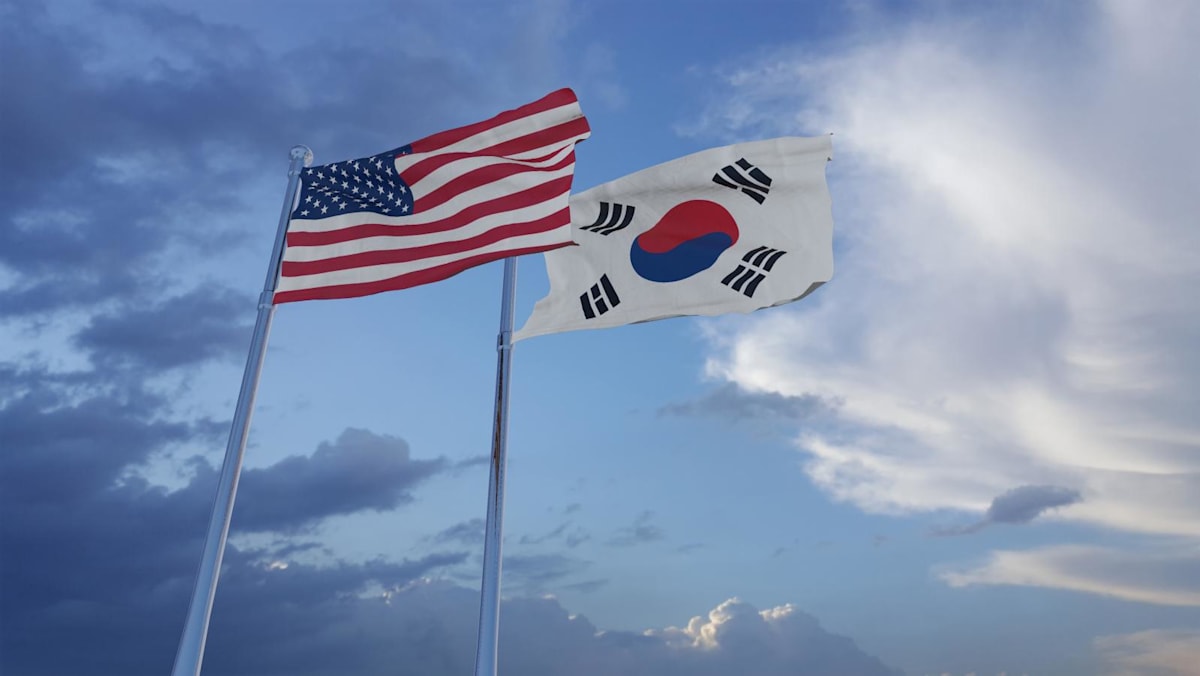
The United States has cancelled a large joint amphibious landing exercise with South Korea, scheduled for next month, due to constraints on force availability caused by the war with Iran. This decision comes after US President Donald Trump ordered the scaling down of the separate annual Ulchi Freedom Shield exercises last week, reducing the joint drills from 11 days to five. According to Han Seung-jeon, a spokesman for the South Korean Marine Corps, the US Marine Corps formally notified South Korean forces in June that its ability to deploy forces during this year's Ssangyong exercise would be constrained due to the situation in the Middle East.
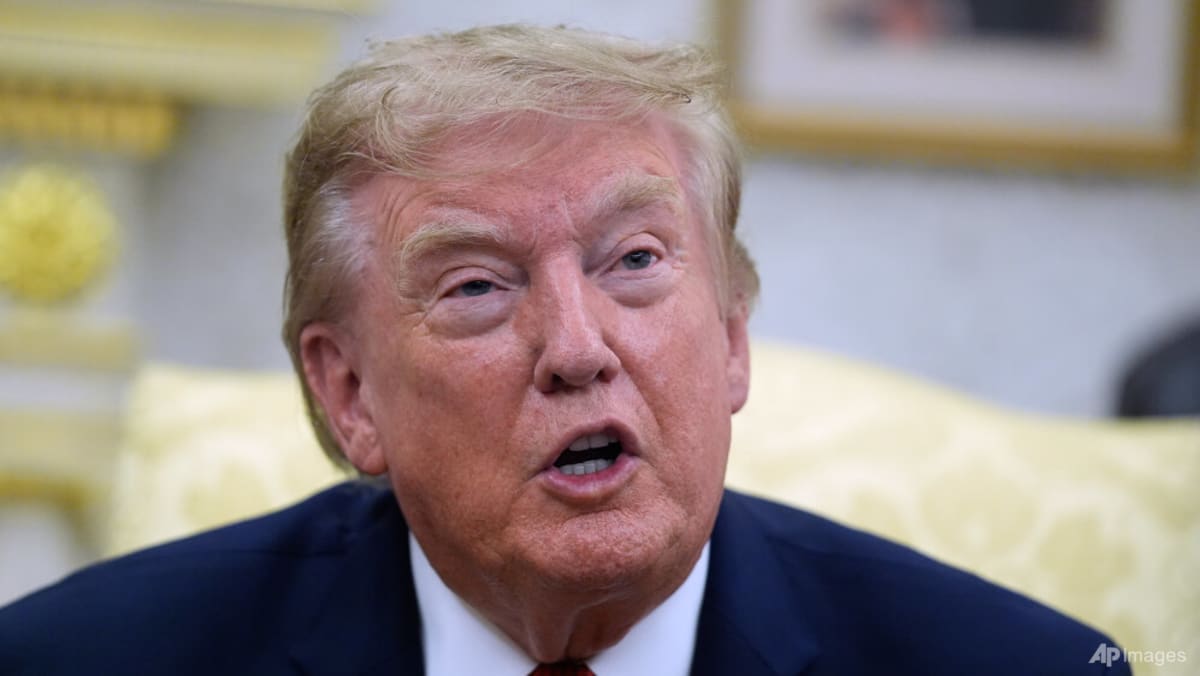
Seoul and Washington are continuing consultations on resuming the amphibious exercise, although details have not been provided. The cancellation of the joint exercise is seen as part of Trump's efforts to revive his relationship with North Korean leader Kim Jong Un. Trump has stated that it is essential to "get along" with Kim, noting that Pyongyang now possesses 57 "very powerful" nuclear weapons.
However, Seoul estimates that North Korea has between 80 to 120 such weapons. The biennial Ssangyong drills involve marine forces from both countries and aim to strengthen combined operations, including warships, aircraft, and ground forces rehearsing amphibious landings. The Pentagon has not responded to requests for comment on Seoul's announcement.
Trump's order to scale back the Ulchi Freedom Shield exercise was made last week, citing the high cost of the drills and the need to avoid sending an "inappropriate and hostile" signal to North Korea. The US president has met with Kim three times during his first term, but Pyongyang accelerated its nuclear programs after their second summit in Hanoi collapsed without an agreement on North Korea's denuclearization. The situation highlights the complexities of the relationships between the US, South Korea, and North Korea, with the US seeking to balance its alliances and diplomatic efforts in the region.
As the US and South Korea continue to consult on resuming the amphibious exercise, the situation remains uncertain, with the US prioritizing its response to the war with Iran. In the context of the current geopolitical landscape, the cancellation of the joint exercise underscores the challenges faced by the US and its allies in maintaining regional stability and security. The US and South Korea will likely continue to navigate these complex relationships, seeking to find a balance between their military cooperation and diplomatic efforts.