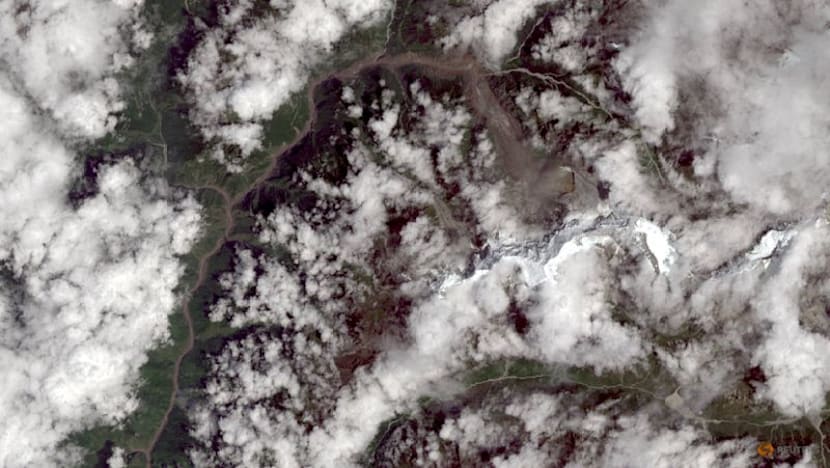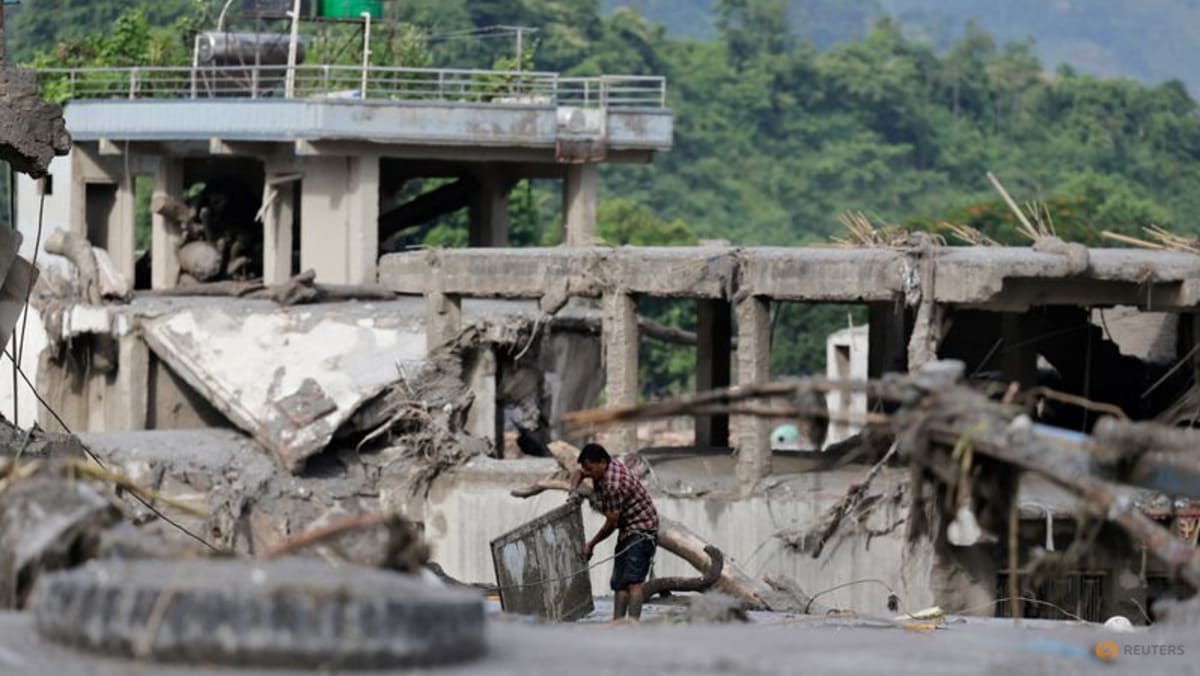
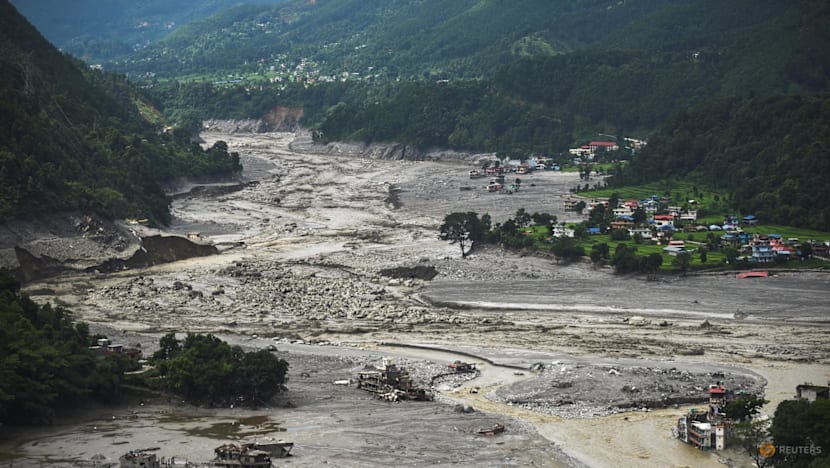
Nepal's Prime Minister Balendra Shah has called for international action to address climate change, following devastating floods in the Himalayas that have killed at least 939 people and left nearly 4,500 missing. The floods were triggered by a glacial collapse on the China-Nepal border, which sent a huge wave of freezing water and debris through the region. According to Prime Minister Shah, the disaster was not an ordinary flood, but rather one driven by climate change.
He stated that the flood in the Bhote Koshi River in Rasuwa was "not an ordinary flood," and that it was triggered by an avalanche of snow and ice in the Himalayan region. The Prime Minister emphasized that the risks faced by the Himalayan region are increasing alongside climate change. The disaster has had a significant impact on Nepal, a largely rural nation of 30 million people.
Despite contributing little to the emissions driving global warming, Nepal is suffering the consequences of climate change. The country's glaciers are melting faster as global temperatures rise, increasing the risk of similar disasters in the future. 65 billion people in the South Asian and Southeast Asian river valleys below.
As the situation continues to unfold, Nepal is likely to require significant international support to recover from the disaster. The country will need assistance with reconstruction efforts, as well as support to address the underlying issues of climate change that contributed to the disaster. In the coming weeks and months, the international community will be watching closely to see how Nepal recovers from the disaster, and how the country's call for action on climate change is received.
With the risks posed by climate change continuing to grow, it is likely that Nepal's experience will serve as a wake-up call for global leaders to take action to address this pressing issue.