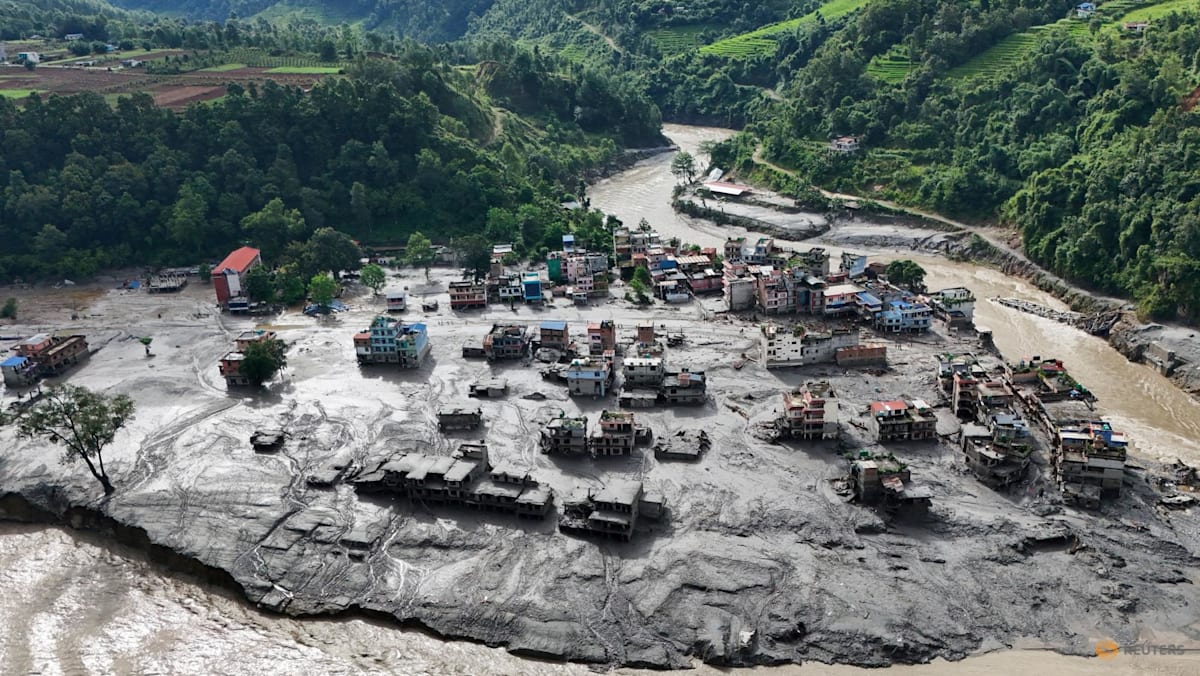
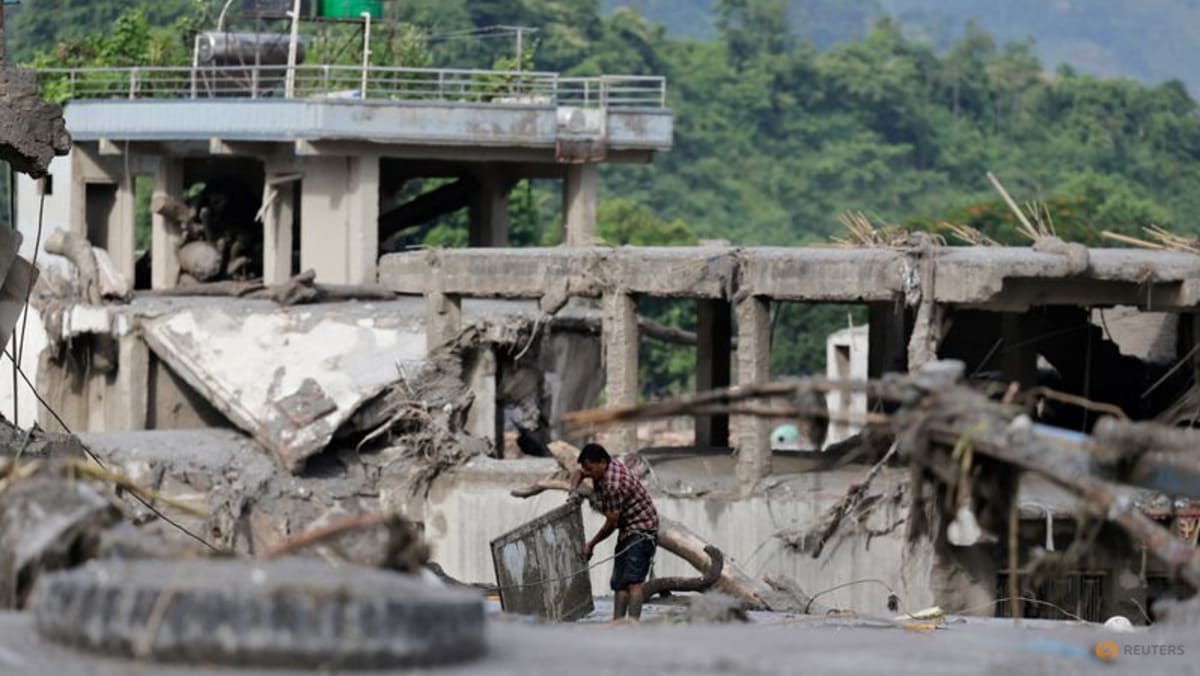
The recent floods and landslides that struck the Nepal-Tibet border have resulted in a significant loss of life, with the death toll currently standing at 392. Rescue teams are working tirelessly to locate over 1,400 people who remain missing, with many feared dead. The disaster has been described as a "giant graveyard" by Omkar Joshi, a 35-year-old Nepali customs agent who was rescued from a hilltop in the border town of Timure.
The floods have had a devastating impact on the region, with entire villages being swept away and thousands of people left without access to basic necessities. The US Geological Survey has attributed the disaster to a glacial collapse, which triggered a massive flow of icy debris. Emergency teams are racing against time to rescue survivors and recover the bodies of those who have perished.
In addition to the 392 confirmed deaths, another 910 people, including 517 foreign tourists, are out of contact in the country. Beijing has reported that 100 Chinese citizens are also missing in Nepal, while Indians make up the largest number of missing foreigners. The United States has stated that 90 of its citizens are out of contact, highlighting the international scope of the disaster.
The rescue efforts are being hindered by the challenging terrain and the sheer scale of the disaster. Nepali soldiers are using sniffer dogs to search for bodies buried under the mud and debris, while emergency teams are working to provide aid to those affected. The situation remains dire, with experts warning of the risk of further floods and landslides in the region.
As the rescue efforts continue, the international community is coming together to offer support and assistance to those affected by the disaster. The Prime Minister of Nepal, Balendra Shah, has urged the nation to "stand together" in the face of this tragedy, while Chinese Premier Li Qiang has visited the affected area to oversee relief work. The full extent of the damage is still being assessed, but it is clear that the Nepal-Tibet flood disaster will have a lasting impact on the region.
The international community will need to come together to provide support and assistance to those affected, as they work to rebuild and recover from this devastating event. In the aftermath of the disaster, there are concerns about the potential for further floods and landslides in the region. Experts have warned that the risk of such events is compounded by the extreme topography of the Himalayas, and that the region is prone to natural disasters.
As the rescue efforts continue, it is essential that the international community remains vigilant and prepared to respond to any future disasters that may occur.