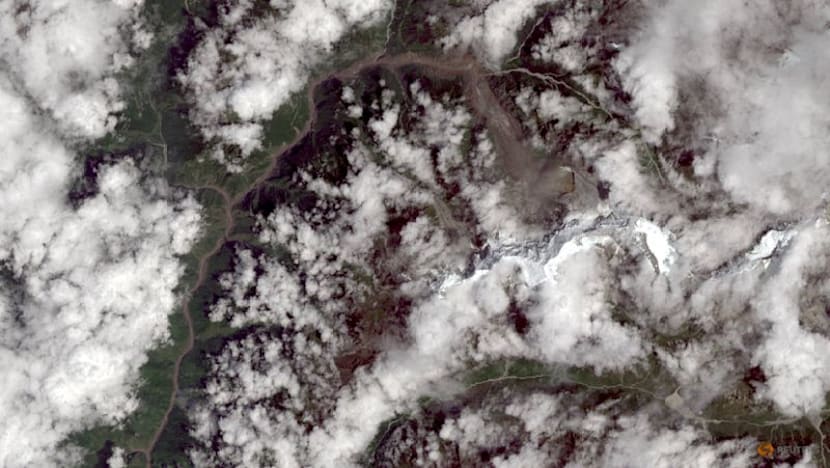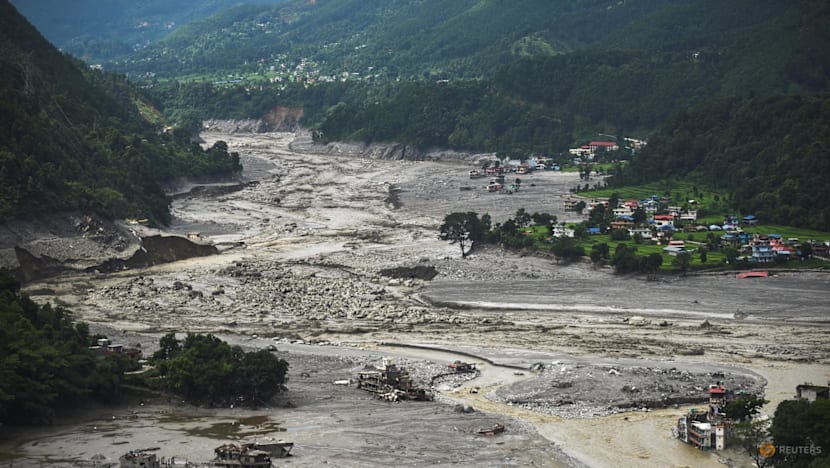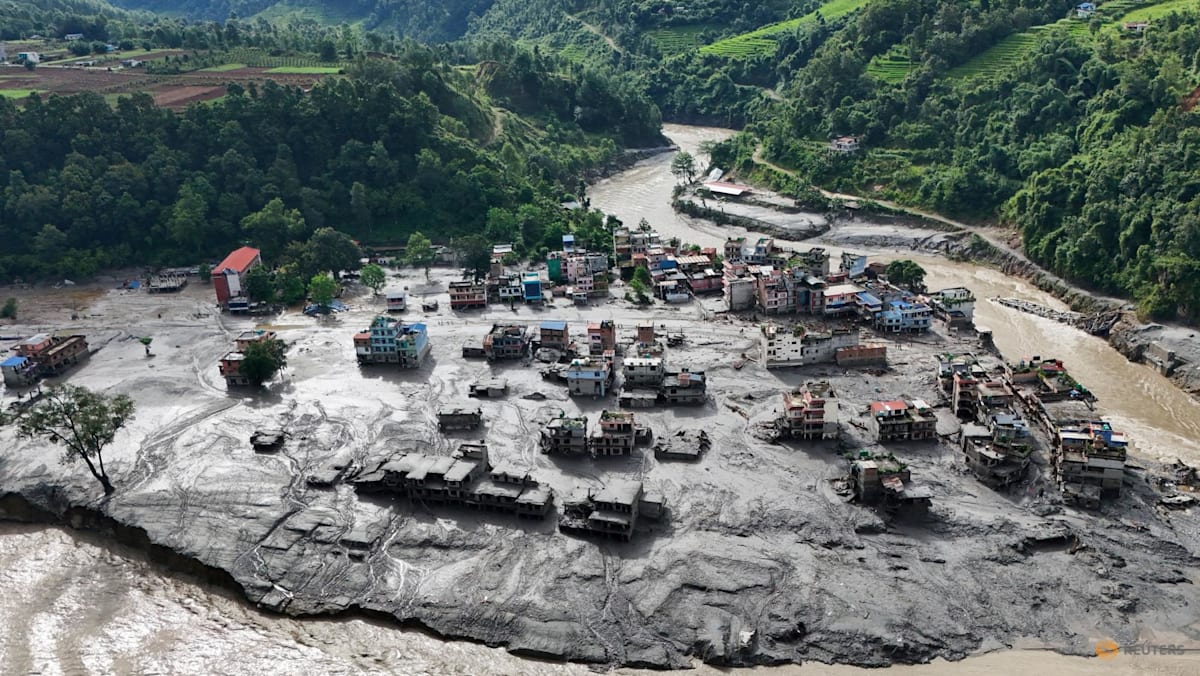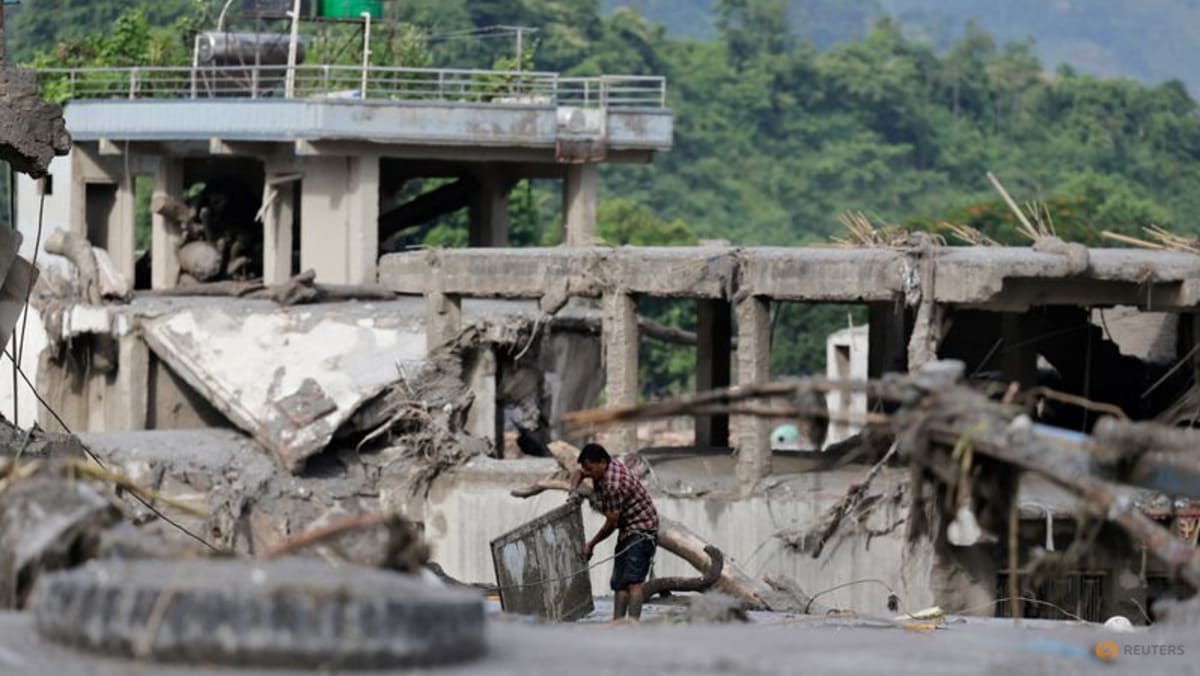
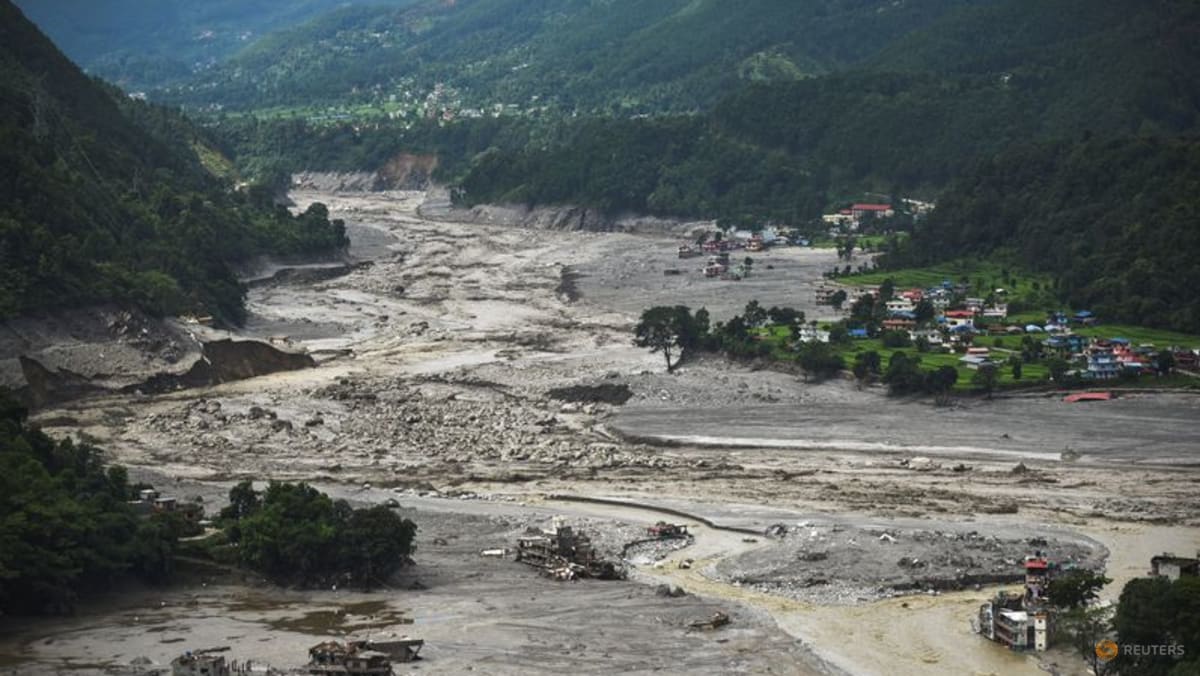
Nepal's foreign minister, Shisir Khanal, has described the recent floods in the country as a "warning signal" of the growing risks posed by climate change. The floods, which were triggered by a glacial collapse, have resulted in over 1,000 deaths and nearly 4,500 missing persons in Nepal and across the Chinese border in Tibet. According to Khanal, the disaster highlights the need for international support based on climate justice, rather than simply providing aid or charity.
He noted that Nepal, a largely rural nation of 30 million people, accounts for a fraction of global greenhouse gas emissions compared to industrialized nations. The glacial collapse, which occurred on August 30, unleashed a tsunami-like wave of freezing water, rocks, and debris, carving a trail of destruction through the affected areas. While the exact cause of the collapse is unclear, scientists say that climate change is causing glaciers to melt worldwide, increasing the risk of such disasters.
Khanal emphasized the importance of seeking support for adaptation and mitigation of the challenges posed by climate change, not just preservation of the mountains. He also underscored the need for long-term support to help Nepal recover from the disaster and prepare for future challenges. The Himalayas, the world's highest mountain range, are melting faster as global temperatures rise, posing a significant threat to the region.
Glaciers in the wider Himalayan and Hindu Kush ranges are a crucial water source for around 240 million people in the mountainous regions, as well as for another 1 billion people downstream. The Nepalese government has called upon the international community to take urgent action to address the changing climate in the Himalayas. Khanal stated that the support to Nepal should not be seen as just aid or charity, but rather as a matter of climate justice.
As the situation continues to unfold, the international community is being urged to provide support to Nepal based on climate justice, recognizing the country's limited contribution to global greenhouse gas emissions. The disaster serves as a stark reminder of the growing risks posed by climate change and the need for collective action to mitigate its impacts. In the longer term, the effects of the disaster will be felt not just in Nepal, but also in the entire South Asia region, as the ice melts and the water sources are affected.
The international community must come together to address the challenges posed by climate change and provide support to countries like Nepal, which are disproportionately affected by its impacts.