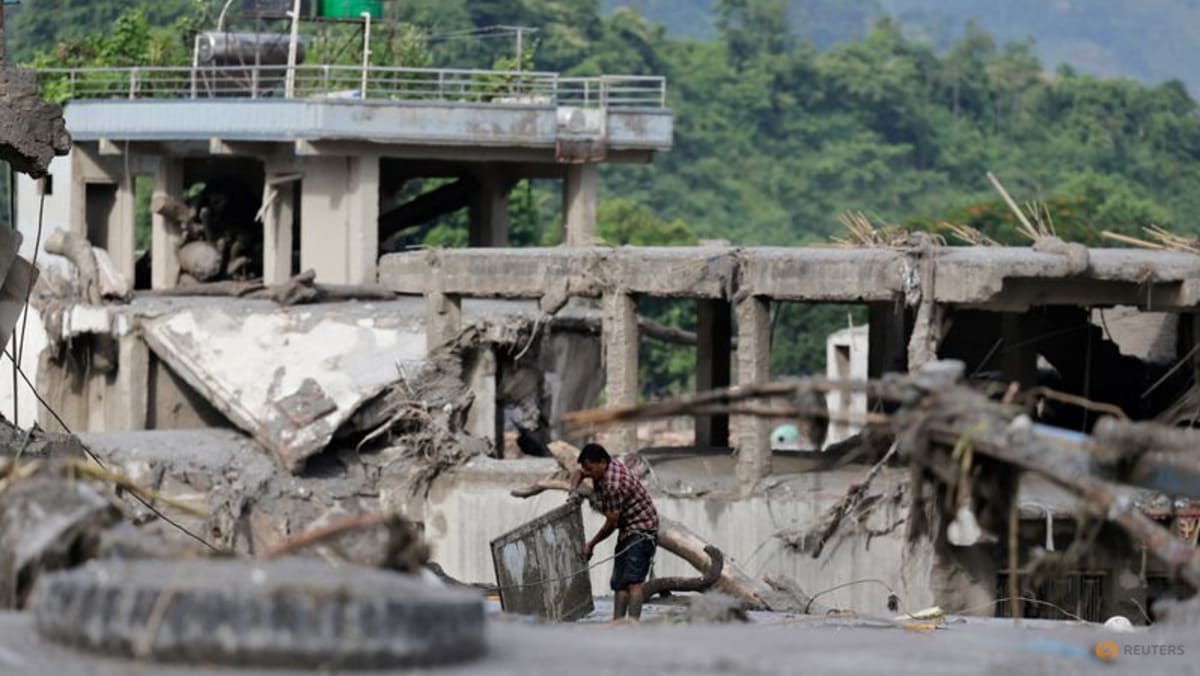
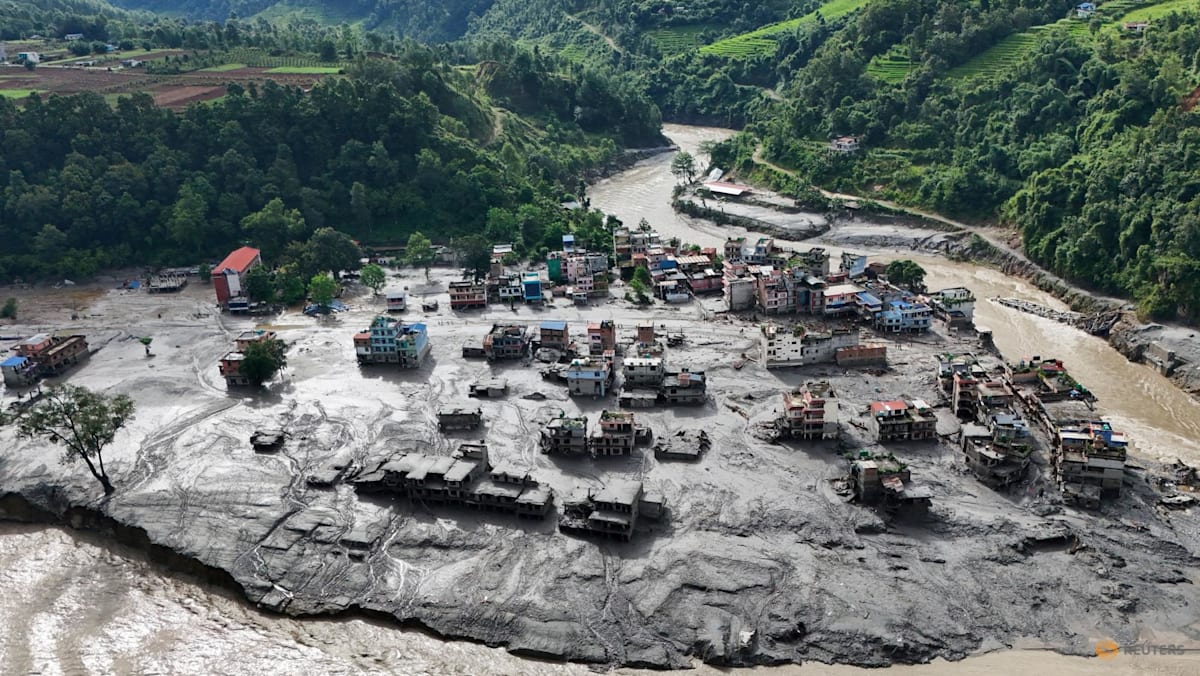
At least 359 people have been killed and nearly 1,000 are missing after a devastating flash flood hit the Nepal-Tibet border. The disaster occurred when a glacier collapse sent a huge torrent of rock, ice, mud, and debris cascading through Himalayan mountain river systems, sweeping through villages and key infrastructure. Rescuers are searching Himalayan valleys and hillsides for survivors, with authorities in Nepal using helicopters to search for survivors and drop emergency supplies to thousands cut off in towns and valleys.
Emergency services have recovered dozens of bodies swept down into the plains. Of those missing, at least 540 are foreigners, including 34 Australians and 9 South Koreans. The sheer amount of water and debris stirred up now risks triggering a further disaster, with a high risk that one of the lakes could breach, and peak flow expected around September 1.
" Chinese rescuers have yet to reach the worst-hit area on the Chinese side of the border, the Gyirong border crossing, due to debris blocking the key access road. The Gyirong border port plays a crucial role in China's Belt and Road network, linking the country to South Asia. Dramatic footage showed enormous torrents of muddy water and debris tearing through structures in the border crossing area, engulfing people trying to flee.
" As the situation continues to unfold, authorities are working to provide aid and support to those affected. The death toll is expected to rise, and fears of fresh flooding are growing. The international community is coming together to assist in the rescue efforts and provide support to those in need.
In terms of numbers, the disaster has resulted in at least 359 deaths, with nearly 1,000 people missing. The affected areas are still being assessed, but it is clear that the impact of the flood will be felt for some time to come. The context of the disaster is complex, with the extreme topography of the Himalayas contributing to the risk of such events.
Experts warn that the risk of further disasters is compounded by the region's unique geography. As the rescue efforts continue, the focus will be on finding survivors and providing aid to those in need. The situation remains dire, with the threat of fresh flooding looming large.
The international community will be watching closely as the situation unfolds, and providing support where possible.