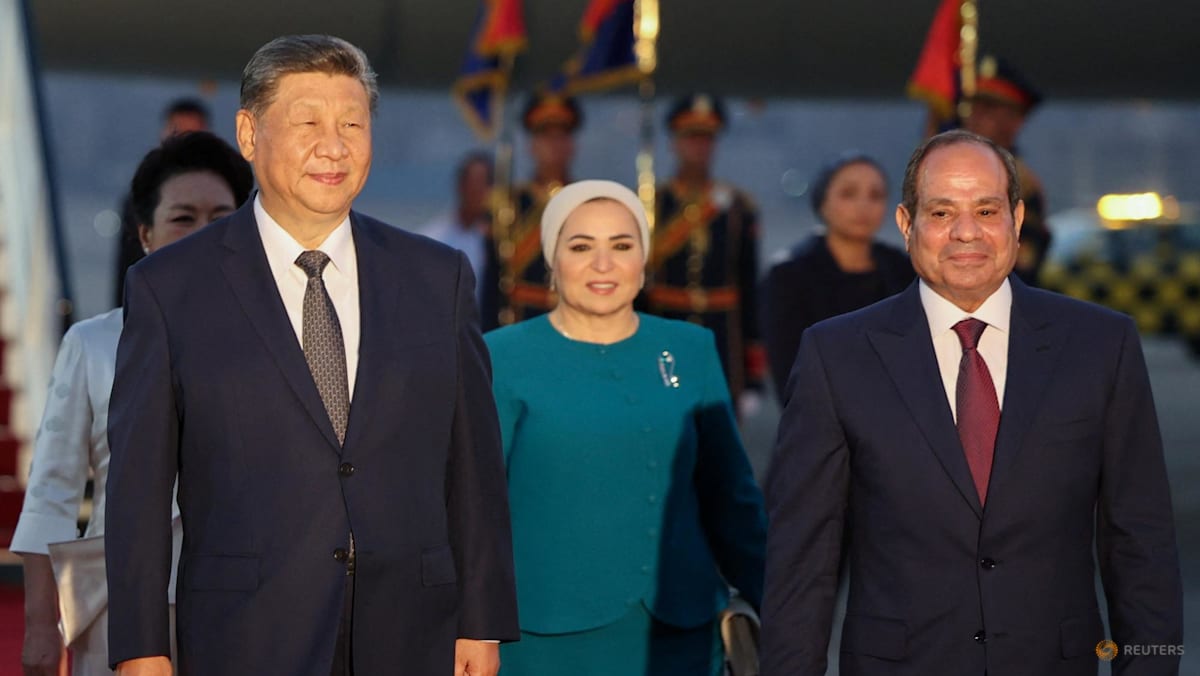
Chinese President Xi Jinping has arrived in Egypt for a two-day visit, marking his first trip to the country in 10 years. He was welcomed by Egyptian President Abdel Fattah al-Sisi and his wife Entissar Amer upon his arrival at Cairo International Airport. The visit comes as the US threatens to impose sanctions on countries with financial links to Iran, including China.
The two leaders are set to hold talks on Wednesday, with discussions expected to focus on economic agreements and the fallout from the US-Iran war. According to analysts, Cairo will use the summit to underscore its strategic autonomy, showing it can leverage its close ties with both Washington and Beijing. In an op-ed published in Egyptian media, Sisi highlighted Cairo's "independent foreign policy", days after a branch of Egypt's second-largest bank was targeted by US sanctions.
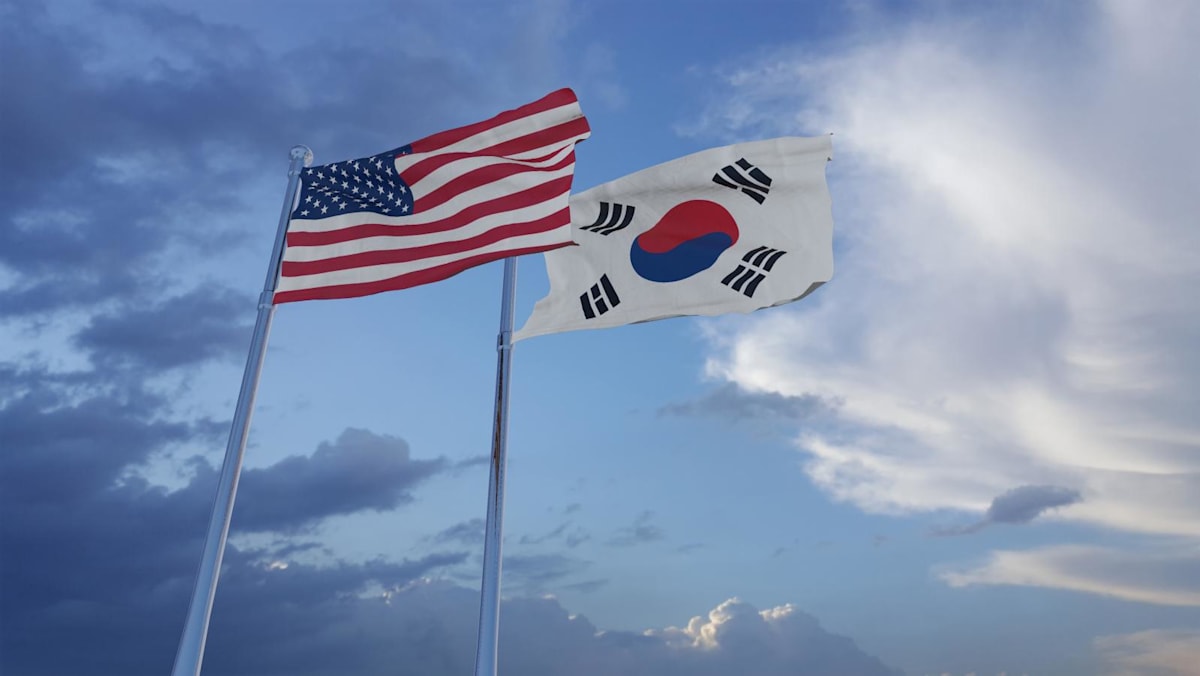
This move is seen as a demonstration of Egypt's ability to maintain good relations with both the US and China, despite the tensions between the two superpowers. China, a major buyer of Iranian oil, has vowed to safeguard its interests in the face of looming US sanctions. The country has also sought to shore up ties with US-friendly regional nations in the lead-up to an expected meeting between Xi and US President Donald Trump this month.
Egypt is one of the largest recipients of US military aid and has historically been a key mediator in the Middle East. The country's relationship with the US is likely to be a topic of discussion during the talks between Xi and Sisi. The visit is significant, coming as it does amidst rising tensions between the US and China.
The US has threatened to impose sanctions on Chinese banks, among others, over their financial links to Iran. China has responded by vowing to protect its interests and seeking to strengthen ties with countries like Egypt. As the talks between Xi and Sisi get underway, all eyes will be on the outcome, with many wondering how the visit will impact the complex web of relationships between the US, China, and the Middle East.